Living Room Ideas
Room Decor Ideas

Introduction to generating Living Room ideas
The living room is the heart of your home—the space where relaxation, entertainment, and social gatherings come together. Whether you're designing a cozy retreat, a stylish statement room, or a functional multipurpose space, the key is to balance aesthetics with comfort and practicality. Every choice, from furniture placement to color palettes, affects the mood and usability of your living room. Creating a well-designed living room isn't just about choosing trendy decor; it's about curating a space that reflects your personality and lifestyle. Do you prefer a modern minimalist look with sleek furniture and neutral tones? Or are you drawn to a more eclectic vibe with bold patterns and vintage finds? Whatever your style, the right approach can make a significant impact on how your space feels. One of the biggest challenges in decorating a living room is knowing where to start. Should you begin with the furniture layout, wall colors, or lighting? It can feel overwhelming, but this is where RoomDeco AI simplifies the process. By using AI-powered design tools, you can generate personalized decor ideas, test different layouts, and visualize various styles before committing to any changes. Whether you're working with a small living room that needs smart space-saving solutions or a large open-plan area that requires zoning, RoomDeco AI helps you see the possibilities and bring them to life effortlessly.
Living Room exploration
Living Room Basics
A great living room starts with understanding the fundamentals of design—layout, color, lighting, and furniture selection. These core elements shape how your space functions and feels, making them essential considerations when decorating. Start with the layout. The way you arrange furniture impacts movement, conversation flow, and overall usability. If your living room is small, opt for space-saving solutions like modular sofas, wall-mounted shelves, and multipurpose furniture. For larger spaces, consider creating distinct zones for lounging, dining, or entertainment using rugs and furniture placement. Keeping pathways open ensures a smooth, uncluttered flow. Next, think about color. The right palette can completely transform a space. Light, neutral colors like beige, off-white, and soft grays create an airy and open feel, perfect for smaller living rooms. Deeper tones like navy, forest green, or charcoal add drama and coziness to larger rooms. If you’re unsure about committing to bold colors, use RoomDeco AI to visualize different palettes before making a decision. Lighting is just as crucial. Instead of relying on a single ceiling light, layer different types of lighting—ambient, task, and accent—to add depth and warmth. Floor lamps, pendant lights, and LED strips can create a cozy, well-lit environment that adapts to various moods. Furniture selection is where functionality meets style. Your sofa is the centerpiece, so invest in a high-quality piece that suits your lifestyle. Complement it with a coffee table, accent chairs, and storage solutions like bookcases or credenzas. Textures and materials matter too—mixing fabrics like velvet, linen, and leather adds visual interest, while wooden, glass, or metallic elements bring balance to the design. If you’re struggling to visualize your living room’s potential, RoomDeco AI can help. Upload a photo or describe your ideal space, and our AI will generate personalized design suggestions, helping you explore new layouts, color combinations, and decor styles without the guesswork.
Living Room Do's & Don'ts
Designing a living room comes with its set of challenges. Understanding what works and what doesn’t can save you from costly mistakes and ensure your space is both stylish and functional. Do consider proportions. A well-balanced living room feels harmonious. If your space is small, opt for furniture with exposed legs or glass surfaces to create an illusion of openness. In a larger space, oversized furniture pieces can anchor the design and prevent it from feeling empty. Do mix textures and patterns. A combination of materials—such as a leather sofa with woven throw pillows or a sleek coffee table with a textured rug—adds depth and character to the space. Even in a minimalist design, layering textures prevents the room from feeling flat. Do embrace lighting variety. Relying solely on overhead lighting can make your living room feel harsh and uninspired. Use a mix of floor lamps, sconces, and table lamps to create a warm, inviting atmosphere. Don't overcrowd the space. Too much furniture or excessive decor can make a room feel cluttered and smaller than it actually is. Stick to a well-curated selection of pieces that complement each other and serve a purpose. Don't ignore functionality. While aesthetics are important, your living room should also be comfortable and practical. Consider how you use the space daily—whether it's for watching TV, working from home, or entertaining guests—and choose furniture that supports those activities. Don't be afraid to experiment. If you’re unsure whether a certain style, color, or furniture arrangement will work, use RoomDeco AI to visualize different options before making changes. Testing ideas virtually allows you to refine your vision and make confident design choices.
Living Room Tips
Transforming your living room into a stylish, comfortable space requires creativity and thoughtful planning. Here are some expert tips to take your design to the next level. Think about the focal point. Whether it’s a fireplace, a statement wall, or a large window with a scenic view, build your layout around it. If your room lacks a natural focal point, create one with an eye-catching piece of art or a bold accent wall. Use rugs to define spaces. In open-concept living areas, rugs help separate different functional zones. A large area rug under the seating arrangement anchors the space and adds warmth. Incorporate personal touches. A well-designed living room should feel uniquely yours. Display personal mementos, travel souvenirs, or family photos to give the space a meaningful and lived-in feel. Think vertically. If you’re short on space, take advantage of vertical storage with floating shelves or tall bookcases. This helps maximize storage while keeping the room visually balanced. Experiment with color accents. If you’re hesitant about bold colors, introduce them in small doses—through pillows, artwork, or decorative vases. This way, you can change them easily without committing to a full repaint. If you're unsure where to start, RoomDeco AI makes brainstorming effortless. Our AI-driven design tool helps you test different decor styles, visualize new layouts, and explore materials and color combinations that match your vision.
What People Ask About the Living Room
What are some ideas on how to decorate a living room?
Decorating a living room is an art that balances functionality with style. Begin by establishing a layout that encourages conversation and flow. The arrangement of furniture should cater to the room's size and shape, ensuring pathways are clear and inviting. For smaller spaces, consider furniture that can serve multiple purposes, like a storage ottoman or a sofa bed. In larger areas, you might create zones with area rugs to delineate spaces for different activities. Color plays a significant role in setting the mood. Lighter colors can make a space feel larger and more open, ideal for smaller living rooms, while rich, dark hues can add warmth and depth to a larger area. When selecting colors, think about how they will interact with natural light and each other. Use RoomDeco AI to test out different color schemes before you commit to painting. Lighting should be layered for versatility and atmosphere. Overhead lighting is essential, but add accent lighting with lamps or wall fixtures to create different moods or highlight decor. Consider functionality too; task lighting near reading or work areas can enhance usability. Textures and patterns can add personality and depth. Mixing materials like wood, metal, and fabric can create a dynamic, yet cohesive look. Think about incorporating throw pillows, blankets, and area rugs to add warmth and interest. Lastly, personalize your space with art, plants, or collectibles that tell your story. This not only makes the room more inviting but also ensures it reflects your unique taste. If you're unsure how these elements will look together, RoomDeco AI can help you visualize your decor ideas in your actual space.
How do I hide a pillar in my living room?
Hiding or integrating a pillar into your living room decor can turn what seems like an obstacle into a design opportunity. Here are several strategies: - Incorporate into Storage: Use the pillar to anchor a bookshelf or install shelving around it. This not only hides the pillar but also adds functional storage or display space. - Decorative Cover: Wrap the pillar with wallpaper, tiles, or wood paneling that matches or contrasts with your room's theme for an architectural feature. This can add character and make the pillar a deliberate part of your decor. - Plant Life: Surround the pillar with tall plants or use it to support hanging planters. This can create a mini indoor garden or a natural focal point, drawing eyes away from the structural aspect. - Art and Lighting: Use the pillar as a canvas for art or to mount lighting. Spotlights or sconces can transform the pillar into an accent feature, highlighting art or creating mood lighting. - Furniture Placement: Position furniture like a sofa or console near the pillar to minimize its visual impact. You might place a narrow console beside it, or use the pillar as a natural divider in an open plan space. When planning these changes, RoomDeco AI can help you see how these elements would look in your room, allowing you to tweak the design until you're satisfied with the outcome.
How do I create a foyer in an open living room?
Creating a foyer in an open living room involves cleverly defining space without walls. Here's how: - Rug Definition: Place a distinctive rug at the entry. This immediately signals a change in area and helps define the foyer space. - Furniture as Divider: Use a console table, bench, or even a narrow shelving unit to serve as an entry point. These can also provide a spot for keys, mail, or decor. - Visual Screens: If you need more separation, consider using a decorative screen or a room divider. These can be semi-translucent for privacy or completely open to maintain light flow. - Lighting: A statement light fixture like a pendant or chandelier can mark the entrance. This not only defines the space but also adds a welcoming glow. - Mirrors and Art: A large mirror can expand the visual space and reflect light, making the foyer feel larger. Artwork can also be used to create a mini gallery wall, marking the transition from outside to inside. - Flooring Material: If feasible, a change in flooring material or color can delineate the foyer from the living area. Even a small vestibule with different tiles or wood can set the tone. Using RoomDeco AI, you can experiment with these ideas, seeing how they integrate with your existing space to ensure the transition feels natural and enhances the overall flow of your home.
What are some ways to arrange plants in the living room?
Plants can transform your living room, bringing life, color, and air purification. Here are some creative ways to arrange them: - Height Variation: Place plants of different heights together to create a lush, layered look. Tall plants like Fiddle Leaf Figs or Rubber Plants can anchor a corner, while smaller ones like succulents or ferns can sit on shelves or tables. - Hanging Gardens: Utilize vertical space with hanging planters near windows where light is plentiful. This not only saves floor space but also adds a unique visual interest. - Plant Clusters: Grouping plants of varying textures and colors can create a natural oasis. Place them on a stand or a multi-level plant rack for a statement without overcrowding. - Functional Decor: Use plants as living decor by placing them on coffee tables, bookshelves, or even as table centerpieces. Small potted herbs can serve both decorative and culinary purposes. - Wall Planters: For a modern touch, consider wall-mounted planters or macrame hangers. This can turn a blank wall into a green feature, especially effective for trailing plants like Pothos or Philodendrons. - Statement Pieces: One large plant, like a Monstera or Bird of Paradise, can serve as a room's focal point. Position it in an area where it can be seen from multiple angles. Remember, when arranging plants, consider light requirements and the plant's health. RoomDeco AI can help visualize how these green arrangements will complement your living room's layout and decor, ensuring your indoor garden thrives.
How do I choose curtains for my living room?
Selecting the right curtains for your living room involves considering both style and function. Here are some guidelines: - Light Control and Privacy: If your living room faces a busy street or you prefer a darker environment for movie nights, opt for blackout curtains. For rooms that benefit from natural light, sheer or semi-sheer curtains are ideal. - Color and Pattern: Curtains can either blend with the room's palette for a cohesive look or pop with contrasting colors or patterns to make a statement. If your room has a lot of patterns, solid-colored curtains might help balance the space, and vice versa. - Length and Fullness: Curtains should ideally extend from ceiling to floor for a grand, elegant look, making windows appear larger. The fullness should be generous; curtains that are too thin look skimpy. A good rule is 1.5 to 2 times the width of the window. - Fabric Choice: Heavy fabrics like velvet or brocade add luxury and sound absorption, perfect for grand living spaces. Linen or cotton provides a casual, airy feel. For maintenance, choose fabrics that are easy to clean or resistant to dust. - Hardware: The curtain rod or track should complement your decor. Extend the rod beyond the window frame for a wider, more dramatic window appearance. Consider the hardware's finish to match other metals in the room. - Layering: For versatility, layer with both sheer and opaque curtains. This allows you to manage light and privacy throughout the day. Using RoomDeco AI, you can see how different curtains will look in your living room, helping you decide on the perfect combination of style, color, and function.
Explore other room decor ideas
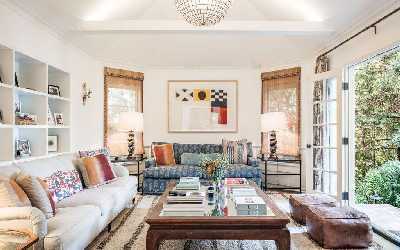
Modern Colonial Ideas
Learn how to explore Modern Colonial ideas in a systematic yet fun way to get the most of what you want to achieve with your space and budget.
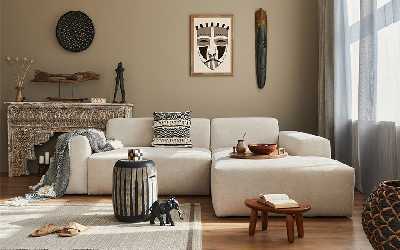
Tribal Ideas
Learn how to explore Tribal ideas in a systematic yet fun way to get the most of what you want to achieve with your space and budget.
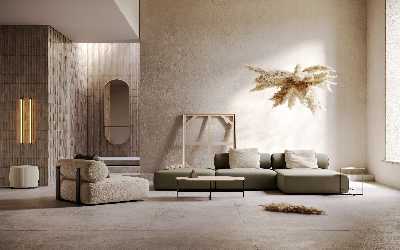
Japandi Ideas
Learn how to explore Japandi ideas in a systematic yet fun way to get the most of what you want to achieve with your space and budget.
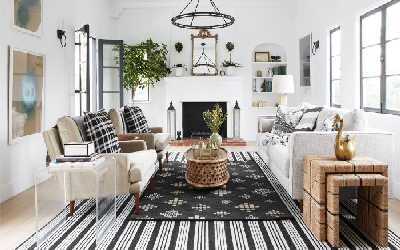
Spanish Colonial Revival Ideas
Learn how to explore Spanish Colonial Revival ideas in a systematic yet fun way to get the most of what you want to achieve with your space and budget.
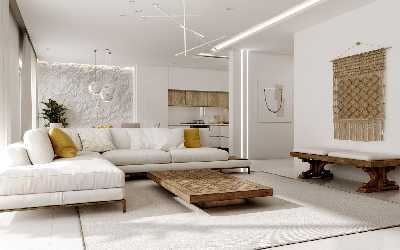
Mediterranean Modern Ideas
Learn how to explore Mediterranean Modern ideas in a systematic yet fun way to get the most of what you want to achieve with your space and budget.

Halloween Ideas
Learn how to explore Halloween ideas in a systematic yet fun way to get the most of what you want to achieve with your space and budget.
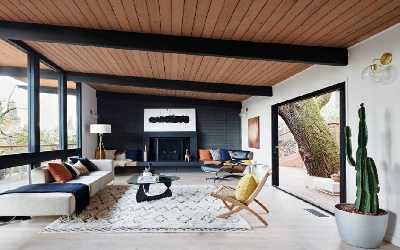
Midcentury modern Ideas
Learn how to explore Midcentury modern ideas in a systematic yet fun way to get the most of what you want to achieve with your space and budget.
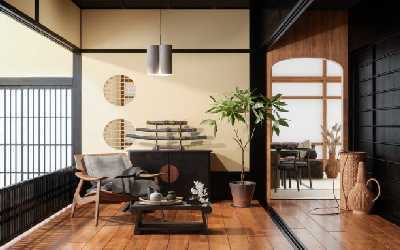
Japanese design Ideas
Learn how to explore Japanese design ideas in a systematic yet fun way to get the most of what you want to achieve with your space and budget.
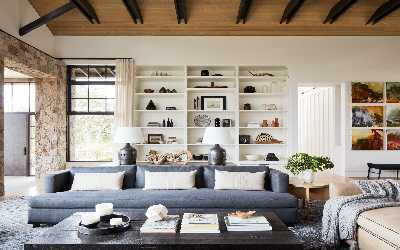
Farmhouse Modern Ideas
Learn how to explore Farmhouse Modern ideas in a systematic yet fun way to get the most of what you want to achieve with your space and budget.
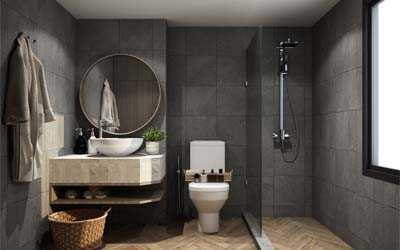
Toilet Ideas
Learn how to explore Toilet ideas in a systematic yet fun way to get the most of what you want to achieve with your space and budget.