Japanese design Ideas
Room Decor Ideas

Introduction to generating Japanese design ideas
Japanese design is that timeless, tranquil vibe rooted in simplicity and nature’s embrace. Think Zen meets functional elegance. It’s minimal, serene, and feels like a meditative escape from the everyday grind. Picture a low tatami bed with a single futon, a bamboo table glowing in soft light, and a shoji screen filtering the world outside. When designing this, focus on essence. What pares your space down to its purest, most peaceful form? Start with your room’s bones. Open layouts shine with that Japanese flow, letting the simplicity stretch wide, while smaller spaces can bloom with light woods and open floors to feel unbound. Lighting’s hushed—think rice paper lanterns or wooden lamps at 2700K, casting a glow that’s gentle as a moonlit night. Flow’s critical—keep furniture low and sparse, paths clear, so the room feels like a quiet breath, inviting reflection and rest. Materials are raw and honest—wood, bamboo, paper—bringing the forest and mountains indoors with no pretense. Colors stay subtle—whites, browns, blacks—with a hint of green or red for life. RoomDeco AI’s your Japanese design sensei—snap your space, and our vibe function crafts that Zen look, mocking up bamboo mats or wood benches tailored to your peace. Visualize a nook with a tatami rug and a single bonsai—pure, still, yours! This style’s about stripping away the excess—every piece should feel necessary, like it’s been there for centuries. It’s not just decor; it’s a philosophy of living with less, honoring nature, and finding beauty in the understated. Play with it, let the silence speak, and watch your space transform into a haven of calm.
Japanese design exploration
Japanese design Basics
Japanese design is all about that minimalist Zen vibe, where every element serves a purpose and nature takes the lead. Imagine a low bamboo table, 48 inches wide, paired with a tatami mat sofa, 80 inches, in natural beige that feels like it grew from the floor. Core to this style is intention—nothing’s random, everything’s deliberate. Start with a clean slate—white walls or light wood floors—to let the raw materials breathe without distraction. Furniture’s sparse—a wooden stool, 30 inches, with no cushion, or a sliding shoji screen that doubles as art and a wall. Textures are subtle but vital—smooth bamboo meets coarse tatami, a paper lantern softens the hard edges of a wood frame. Scale’s low and tight—small rooms stick to essentials like a table, a mat, and a plant, while bigger ones can stretch into a futon bed or a dining set, 60 inches, in unfinished cedar. Colors stay grounded—think crisp whites, warm browns, and deep blacks, with a rare pop of red or green to echo a temple garden. Accents are few—a single bonsai in a clay pot, a ceramic tea set, or a bamboo scroll hanging quietly. Lighting’s a soft whisper—rice paper lanterns at 2700K or a wooden lamp casting a glow that feels like twilight through trees. Plants are sparse but essential—a small pine or a trailing vine in a simple pot keeps the nature connection alive. RoomDeco AI brings it home—snap your space, and our AI builds a Japanese design setup, tossing in tatami mats or bamboo shelves that vibe with your room. Picture a corner with a low bench, a paper screen, and a single teapot glowing in the dusk—pure, tranquil, done! The magic’s in the discipline—every piece has a job, whether it’s a mat for sitting or a screen for privacy. It’s less about filling space and more about emptying it, letting the room’s bones and a few choice items tell a story of calm and clarity. You’re crafting a space that feels ancient yet fresh, a nod to Japan’s temples and tea houses where less is always more.
Japanese design Do's & Don'ts
Japanese design hinges on that Zen purity—get it right, and it’s magic; miss it, and it’s just another room. Here’s your guide. Do lean into natural materials—bamboo tables, 60 inches wide, or tatami mats bring that earthy essence straight from the forest. Embrace simplicity—low futons or a single wood chair, 36 inches, keep the vibe clean and uncluttered, letting the space feel like a meditative exhale. Keep colors muted—whites, browns, and blacks on walls or furniture create that timeless calm; think of a temple’s quiet palette. Don’t pile on the fuss—ornate gold frames or loud patterns in a 10x10 room shatter the serenity like a gong in a silent retreat. Clutter’s your enemy—too many trinkets turn that Zen haven into a junk shop; one bonsai beats ten knickknacks every time. Skip the bright lights—harsh 5000K LEDs kill the mood; stick to soft lanterns or wood lamps at 2700K for that warm, natural glow. Avoid heavy furniture—a chunky sectional blocks the flow; keep it low and light to honor the tatami tradition. Do play with negative space—a bare wall or an empty corner is your friend, letting the room breathe like a haiku’s pause. Don’t overdo the color pops—red or green accents work, but a rainbow flood drowns the vibe; restraint’s the name of the game. RoomDeco AI’s your Zen guard—snap your setup, and our AI flags clutter risks or mocks up a bamboo bench that fits perfectly. Picture a wood sofa with a single tatami mat and a paper lantern—do that right, and don’t let excess sneak in! This style’s about living with intention—every choice should feel deliberate, like placing stones in a garden. Mix in a touch of nature, keep it functional, and let the simplicity sing. You’ll know it’s working when the room feels like a quiet forest clearing—still, purposeful, and deeply peaceful.
Japanese design Tips
Brainstorming Japanese design is about distilling your space to its calmest, most essential self—think less clutter, more soul. Start with a anchor piece—a low bamboo table, 60 inches, or a tatami mat bed that sets the tone with its grounded simplicity. Picture yourself there, sipping green tea, a shoji screen softening the light, and a single bonsai whispering nature’s presence. Build from that stillness. Add a Japanese touch—a wood tray or a black rug, subtle echoes of a tea house or temple without overdoing it. Keep everything low—furniture like a 36-inch bamboo stool or a futon hugs the floor, mimicking traditional Japanese living and opening up the space. Color’s your quiet partner—whites and browns dominate, maybe a hint of red or green in a cushion or a pot to nod to a garden’s life. Small space? Go sparse—a table, a mat, one plant—to keep it airy. Big room? Zone it out—a sleeping nook with a futon and a screen, or a sitting area with a low bench and a paper lantern, all tied together with that Zen flow. Test it—move a chair, swap a throw for a scroll, sit and feel the calm. Lighting’s your mood-maker—rice paper lanterns at 2700K or a wooden lamp with a soft glow keep it gentle, like moonlight through trees. RoomDeco AI’s your brainstorming ally—snap your room, and our AI spins up ideas like a tatami sofa with a bamboo shelf, showing you the peace before you commit. Imagine a corner with a black mat, a single teacup, and a trailing vine—tweak it until it’s your Japanese haven! Take your time—hunt for pieces that feel authentic, like a secondhand shoji panel or a reclaimed wood table. Play with textures—smooth bamboo against rough tatami, matte finishes with a hint of polish. The goal’s a space that feels like a retreat from time itself—functional, beautiful, and so quiet you can hear your own thoughts. Let it evolve slowly, and it’ll reward you with that deep, Japanese calm.
What People Ask About Japanese design style
How do I start designing a Japanese design room?
Starting a Japanese design room is about capturing that pure, tranquil vibe and making it yours. Pick a simple piece—a tatami mat bed or a low bamboo table, 60 inches wide, something that says calm and grounded. Picture lying there, a soft breeze rustling a shoji screen, a black rug underfoot, and a single bonsai catching the light. That’s your vibe, so build slow and deliberate. Walls go bare—white or light brown—to let the natural materials breathe and keep the space feeling open. Layer in the must-haves—a wood stool, 36 inches, with no fuss, or a bamboo shelf holding one perfect pot or scroll. Lighting’s your quiet friend—think a rice paper lantern at 2700K or a wooden lamp casting a glow that’s soft as dusk. Small rooms keep it tight—a table, a mat, a plant—while bigger ones can stretch into a futon bed, 80 inches, or a dining nook with a low cedar table. Flow’s everything—keep furniture low, paths clear, so the room feels like a meditative exhale. RoomDeco AI’s your starting point—snap your space, and our AI mocks up a tatami mat or a wood bench, vibe-tuned to your Zen taste. Visualize a corner with a brown cushion, a bamboo tray, and a single pine glowing in the stillness—start there, tweak it until it’s your Japanese retreat! Don’t rush—pick pieces that feel right, like they’ve been there forever. It’s about crafting a space that’s both a minimalist haven and a nod to nature, rooted in Japan’s timeless design wisdom.
What colors work best for Japanese design?
Japanese design colors are all about that subtle, natural calm—think tones that mirror a quiet forest or a temple’s hush. White’s your foundation—walls or a tatami mat sofa in a crisp, clean shade set the stage for that airy Zen feel. Brown’s your earthy anchor—imagine a wood table, 60 inches, or a bamboo rug in a warm, natural hue that ties the room to the outdoors. Black’s your bold stroke—a cushion or a vase in a matte finish adds depth and contrast without breaking the peace. Green sneaks in softly—think a pillow or a plant pot in a muted moss or jade shade, echoing a garden’s whisper. Red’s rare but powerful—a throw or a frame in a deep, temple-inspired tone brings a spark of life, used sparingly like a cherry blossom in spring. Skip the loud stuff—neons or bright yellows would crash the vibe like a shout in a shrine. Test it—see how brown warms your wood floor or if black fades in your light; it’s all about balance, not show. Small rooms lean white and brown to stay open, while big ones can flex green or a touch of red for a layered feel. RoomDeco AI’s your color sensei—snap your space, and our AI spins up palettes, mocking up a green rug or a black shelf to fit your calm. Picture a white wall with a brown throw and a single red vase—pure, grounded, yours to claim! The trick’s in keeping it understated—think of colors you’d find in a Japanese landscape, not a billboard. That’s the soul of this style: quiet, natural, and deeply soothing.
How do I mix Japanese design with other styles?
Mixing Japanese design with other styles is about holding that Zen core while letting a little spice creep in—think of it as a tea ceremony with a twist. Try Japandi—keep the low bamboo table, 60 inches, and add a linen cushion in gray for that Scandinavian cozy; picture it with a tatami mat, blending vibes effortlessly. Minimalism’s a seamless match—stick to a wood bench, 36 inches, and a single pot, then toss in a sleek black frame for a modern edge that still feels Japanese-pure. Wabi-sabi fits like a glove—leave the tatami sofa, 80 inches, and add a rough clay vase for that imperfect beauty, keeping the natural restraint intact. Modern can play nice—white walls and a brown cushion stay Japanese, then a geometric pendant at 3000K adds a contemporary kick without losing the calm. Small spaces mix light—white with a green pop—while big rooms layer a bamboo tray with a modern shelf or a wabi-sabi stone. Lighting’s your bridge—a rice paper lantern at 2700K ties Japanese to Japandi or wabi-sabi, while a sleek pendant links it to modern. RoomDeco AI’s your mix guru—snap your room, and our AI mocks up a tatami sofa with a modern rug or a wabi-sabi vase, vibe-tuned to your style. Visualize a wood wall with a gray throw and a single bamboo accent—mix it until it sings! Keep it simple—don’t let the extras swamp the stillness. Japanese design’s quiet strength shines through when you balance the blend just right.
What furniture fits a Japanese design room?
Furniture for Japanese design keeps it low, simple, and tied to nature—pieces that feel like they belong in a tea house or temple with no fluff. A tatami mat bed’s your king—80 inches wide, low to the ground with a single futon in beige, offering that minimalist sleep vibe rooted in tradition. Picture drifting off there, a shoji screen softening the moonlight, the room whispering calm. Tables stay pure—bamboo or cedar, 60 inches, with a smooth top just right for a teapot, a book, and a tiny bonsai, nothing more. Chairs are rare but perfect when they fit—a wood stool, 36 inches, with no cushion, or a low bamboo chair that doubles as a meditation perch. Shelves keep it sparse—slim, 40-inch bamboo frames holding one clay pot or a scroll, leaving space to breathe. Small spaces love the basics—a table, a mat, a screen—while big rooms flex a futon bed or a dining set, 60 inches, in unfinished wood with no bells or whistles. RoomDeco AI’s your furniture sensei—snap your space, and our AI mocks up a bamboo chair or a tatami mat, vibe-tuned to your peace. Imagine a bed with a wood tray and a single teacup—see it sit, then snag it! It’s all about purpose—every piece should work, whether it’s a bench for sitting or a screen for privacy. Japanese furniture skips the flash for quiet beauty—natural materials, clean lines, and a design that feels timeless, like it’s been waiting for you to step in and just be.
How do I decorate Japanese design on a budget?
Decorating Japanese design on a budget is about crafting that Zen look without spending big—think clever hacks with a minimalist heart. Paint’s your foundation—$30 for white or brown walls sets that calm Japanese vibe fast, then scour thrift stores for a $10 wood stool with simple lines to anchor the space. Picture it sanded clean, paired with a $5 cotton scrap as a mat—pure win, low cost. You’re building a temple of calm, not a palace, so stretch those dollars smart. DIY’s your Zen trick—grab $15 bamboo poles to make a shelf, Japanese to the core, or snag a $3 clay pot from a garage sale and plant a cutting for that natural touch. Lighting’s essential—$10 string lights at 2700K draped over a shelf or a $5 thrift lamp with a paper shade keep it soft and warm without the price tag. Rugs seal it—$20 for a brown remnant, 3x5 feet, grounds the space in earthy stillness. Accents stay sparse—$2 for a bamboo mat or $5 for a wood tray in black keeps it Japanese without crowding. RoomDeco AI’s your budget wingman—snap your space, toss in these ideas, and our AI spins up setups like a white wall with a bamboo stool, showing the vibe before you spend. Visualize a thrifted futon with a single pine and a handmade screen—tranquil vibes, no cash bleed! Hunt for deals on raw stuff—think secondhand bamboo or discounted cotton—and let simplicity shine. Japanese design thrives on less, and your wallet will feel the peace too.
Explore other room decor ideas
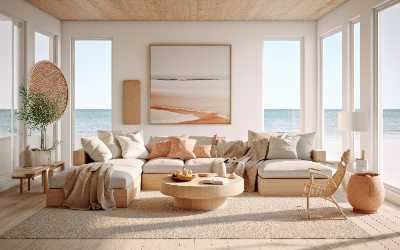
Coastal Chic Ideas
Learn how to explore Coastal Chic ideas in a systematic yet fun way to get the most of what you want to achieve with your space and budget.
Moody Ideas
Learn how to explore Moody ideas in a systematic yet fun way to get the most of what you want to achieve with your space and budget.
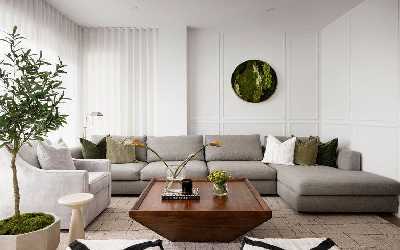
Contemporary Ideas
Learn how to explore Contemporary ideas in a systematic yet fun way to get the most of what you want to achieve with your space and budget.

Cyberpunk Ideas
Learn how to explore Cyberpunk ideas in a systematic yet fun way to get the most of what you want to achieve with your space and budget.
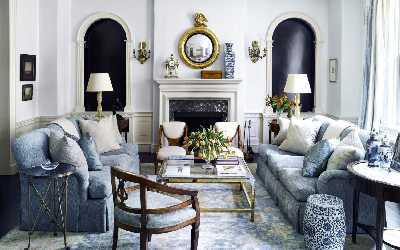
French country Ideas
Learn how to explore French country ideas in a systematic yet fun way to get the most of what you want to achieve with your space and budget.

Glamorous Ideas
Learn how to explore Glamorous ideas in a systematic yet fun way to get the most of what you want to achieve with your space and budget.
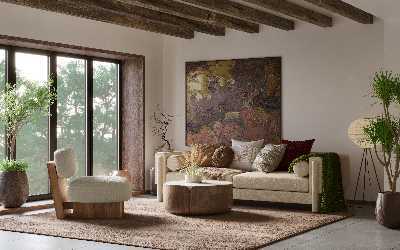
Living Room Ideas
Learn how to explore Living Room ideas in a systematic yet fun way to get the most of what you want to achieve with your space and budget.
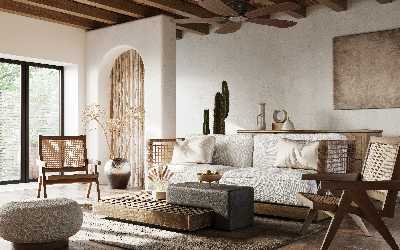
California Casual Ideas
Learn how to explore California Casual ideas in a systematic yet fun way to get the most of what you want to achieve with your space and budget.
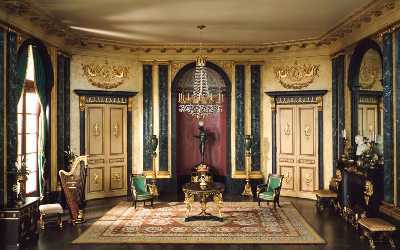
French Empire Ideas
Learn how to explore French Empire ideas in a systematic yet fun way to get the most of what you want to achieve with your space and budget.

Steampunk Workshop Ideas
Learn how to explore Steampunk Workshop ideas in a systematic yet fun way to get the most of what you want to achieve with your space and budget.